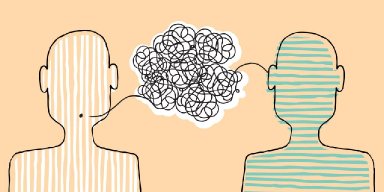
Have you ever stayed up late to do something entertaining and make time for yourself?
If you have, be careful! Maybe you are experiencing...
Revenge Bedtime Procrastination
Revenge Bedtime Procrastination is defined as a situation where you sacrifice your sleep schedule caused by the lack of time during the day. Those who are in never-ending tasks usually have done this as a way to find something entertaining for themselves.
Theory #:1 Failure in self-control
There is an intention-behavior-gap where the people who participate in sleep procrastination know and want to get enough sleep but they fail to do it. During-the-day demands at work or school may degrade the reserves of self-control available in the evening.
Theory #2: Early bird wannabe
But, some people are against the prior theory since it places too much concern on self-control. Instead, they believe bedtime procrastination may result from night-owls who are bound to try to adapt to early-birds’ schedules. Sacrificing sleep for leisure time may be seen not as a failure but rather an attempt to find a time in response to stress.
Who is most affected?
There is one study that said students and women were most likely to take part in sleeping procrastination.
It is because of biological factors and sleep related behaviors for women while the students usually sleep less than 6 hours due to their packed schedules.
Apart from women and students, those with an evening chronotype are inclined to stay up late, which may lead to bedtime procrastination.
How to deal with it
- Rearrange your sleeping schedule and try to be consistent with it.
- Avoid caffeine in the evening.
- Set a boundary between your living space and work.
- Do some relaxation activities before bed such as reading a book, meditating, or gently stretching.
- Do not use electronic devices, including cell-phones, tablet, and laptop at least half-an-hour before bed.
Not getting enough time to sleep can lead to many problems such as:
|
Physical Health |
Mental Health |
|
Some chronic medical conditions like heart failure, diabetes, and stroke are linked to sleep disorders. Under the pandemic situation, insufficient sleep can reduce the effectiveness of vaccines. |
Sleep deprivation may affect your memory and thinking process including decision-making ability. It is also tied to irritability and difficulties to manage emotions which may enhance the chance of depression. |