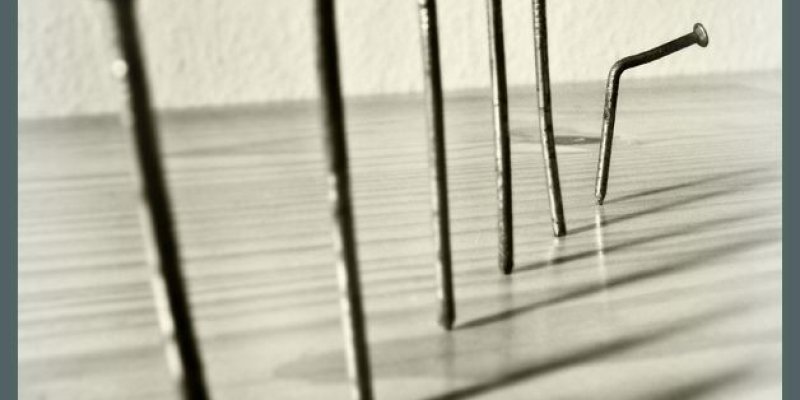
The chase for perfection is futile. Most often, it’s not our own ideals we chase, it’s someone else’s.
There is a strong difference between the ideas of beauty in western and eastern worlds. The West always prefers symmetry, proportion, and all around eternal perfection. In Japan, things are very much different. There is an ancient philosophy called Wabi Sabi, which sees beauty in impermanence, modesty and in the broken . In Wabi-Sabi, things are infinitely more beautiful when they bear the marks of individualism and time. Something is not beautiful because it is without flaw, it is indeed the flaws themselves that bring meaning and beauty.
Solitary now~
Standing amidst the blossoms
Is a Cypress Tree
With the philosophy of Wabi-Sabi a cracked plate isn’t simply thrown away for a new one, but the cracks are appreciated rather than hidden. One of the most historical examples of this philosophy is traditional Japanese tea ceremonies, where the very nature of Wabi-Sabi is displayed and enjoyed. Quite simply, this teaches us to see beauty in imperfection and impermanence, which is an immensely valuable outlook to adopt in our everyday lives, the capability of appreciating the mundane. We can see it anywhere, on scattered leaves on your driveway, flickering light of a candle, and with other people.
"One of the basic rules of the universe is that nothing is perfect. Perfection simply doesn't exist.....Without imperfection, neither you nor I would exist" -Stephen Hawking